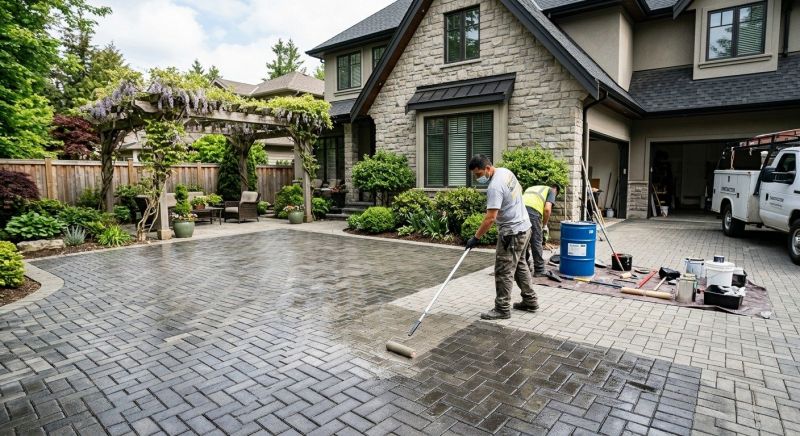
Walkway Sealing in Kitsap County, WA
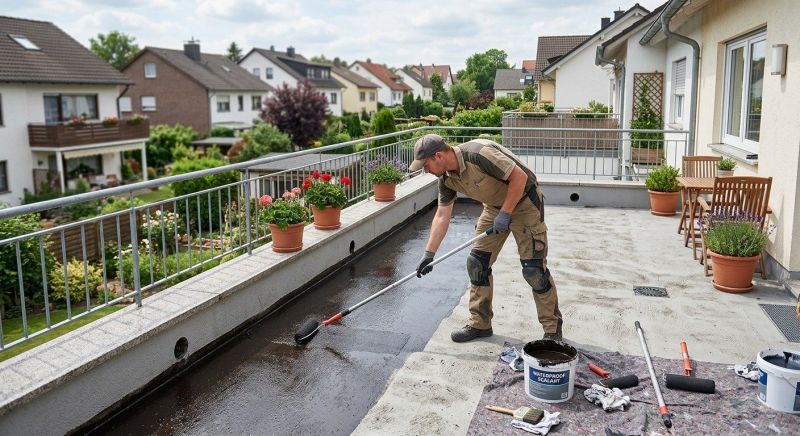
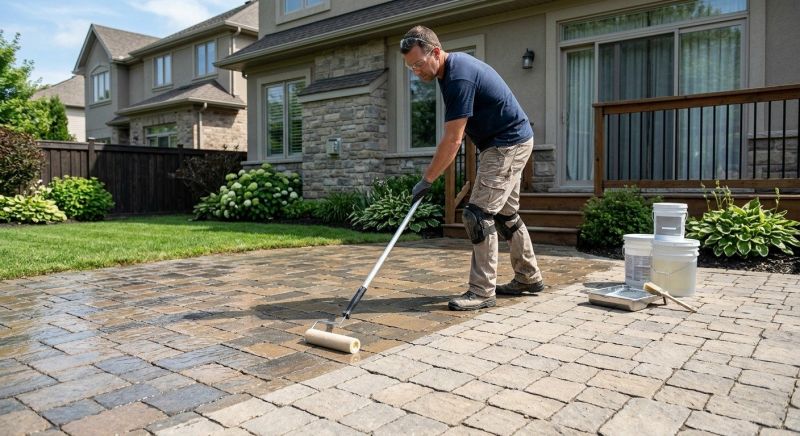
Walkway sealing services involve applying a protective coating to concrete or stone walkways, patios, and pathways to help prevent damage from moisture, stains, and general wear. This service is often requested for projects such as residential front steps, backyard pathways, or decorative patios, aiming to extend the lifespan and maintain the appearance of these surfaces. Homeowners typically want to understand the types of sealers used, how often sealing should be performed, and whether the process will affect the look or usability of their walkways.
Before requesting walkway sealing, property owners usually seek information about the condition of their existing surfaces, including cracks or surface deterioration that may need repair beforehand. It’s also helpful to know the best timing for sealing, such as avoiding sealing during rainy or freezing weather, and to clarify any surface preparation requirements. Understanding the differences between sealers and their impact on slip resistance or color enhancement can ensure the project meets both aesthetic and functional expectations.
Many property owners in Kitsap County, WA look into Walkway Sealing for repairs, replacements, upgrades, and appearance-related improvements.
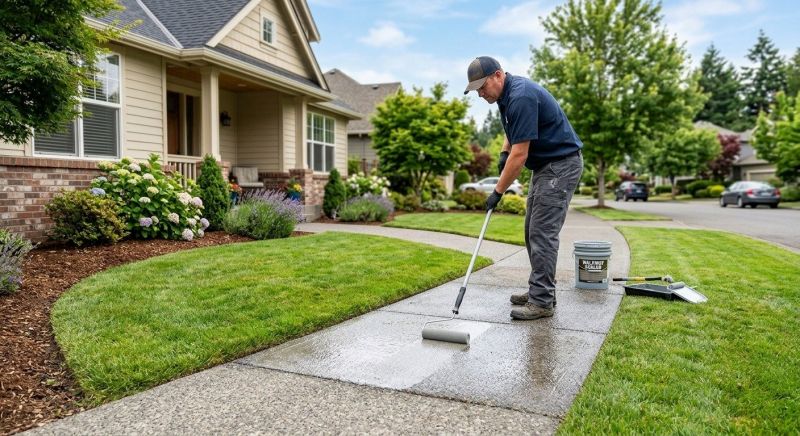
Benefits Of Walkway Sealing
Sealing walkways helps protect against water damage, staining, and surface wear.
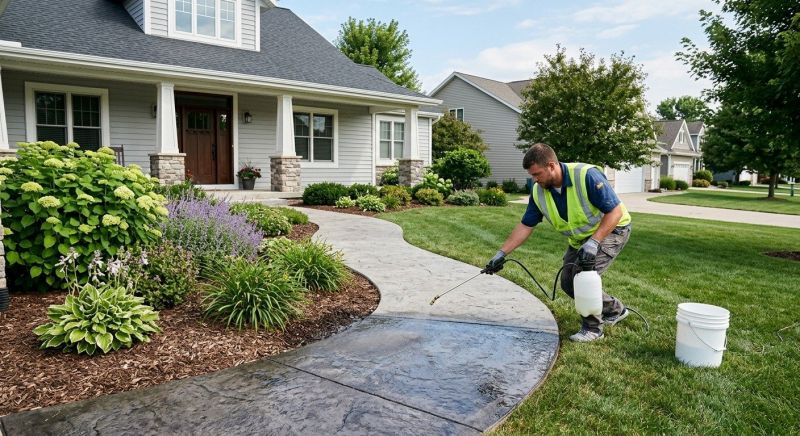
Common Walkway Materials
Sealing is suitable for concrete, asphalt, and paver walkways common in kitsap county homes.
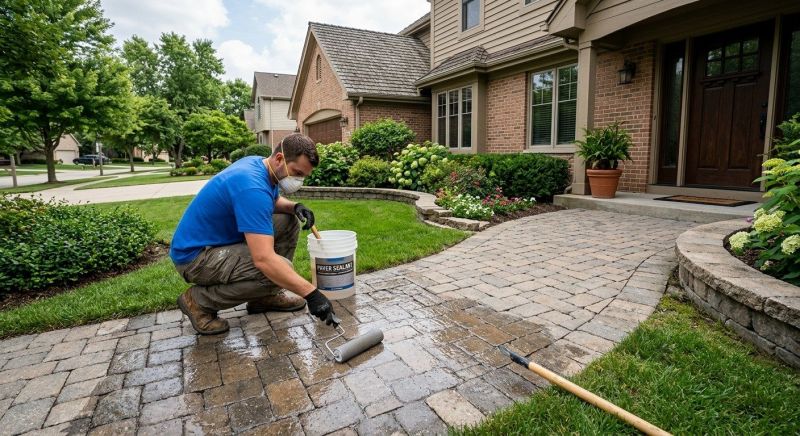
Maintenance Tips
Regular sealing can extend the lifespan and appearance of outdoor walkways in residential properties.
Walkway Sealing in Kitsap County, WA

Walkway sealing services involve applying a protective coating to concrete or stone walkways, patios, and pathways to help prevent damage from moisture, stains, and general wear. This service is often requested for projects such as residential front steps, backyard pathways, or decorative patios, aiming to extend the lifespan and maintain the appearance of these surfaces. Homeowners typically want to understand the types of sealers used, how often sealing should be performed, and whether the process will affect the look or usability of their walkways.
Before requesting walkway sealing, property owners usually seek information about the condition of their existing surfaces, including cracks or surface deterioration that may need repair beforehand. It’s also helpful to know the best timing for sealing, such as avoiding sealing during rainy or freezing weather, and to clarify any surface preparation requirements. Understanding the differences between sealers and their impact on slip resistance or color enhancement can ensure the project meets both aesthetic and functional expectations.
Many property owners in Kitsap County, WA look into Walkway Sealing for repairs, replacements, upgrades, and appearance-related improvements.
Common Walkway Sealing Jobs
Walkway sealing helps protect concrete surfaces from water damage and staining.
Patio sealing enhances the durability and appearance of outdoor living spaces.
Driveway sealing reduces surface wear and extends the lifespan of asphalt or concrete.
Porch sealing prevents moisture intrusion and maintains structural integrity.
Pathway sealing preserves the surface against weather-related deterioration.
Stamped concrete sealing enhances color vibrancy and protects decorative finishes.
Walkway Sealing Questions
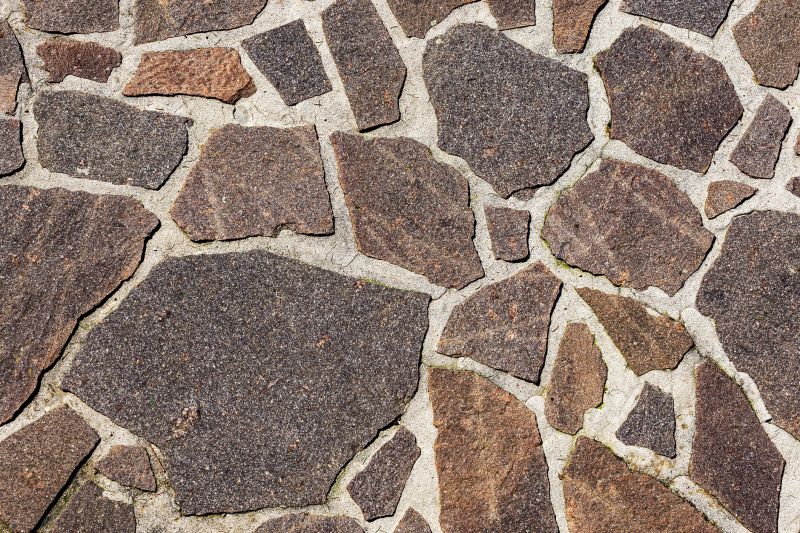
What types of walkways benefit from sealing? Sealing is ideal for concrete, stone, and brick walkways to protect against stains, moisture, and surface damage.
How often should walkway sealing be done? Typically, sealing is recommended every 2 to 3 years to maintain protection and appearance.
What are common signs that a walkway needs sealing? Visible cracks, surface discoloration, or increased staining are signs that sealing may be necessary.
Does sealing improve walkway safety? Sealing can enhance traction and reduce surface slipperiness, contributing to safer walkways.
Request Walkway Sealing in Kitsap County, WA
Use the quote form on this page to share the basics of your project and request more information for the type of work you need.